














How to Write a Professional CV in Ethiopia 2026 Guide | Ethiojobs
Learn how to write a professional CV in Ethiopia with simple tips, CV structure examples, and job application advice for 2026.

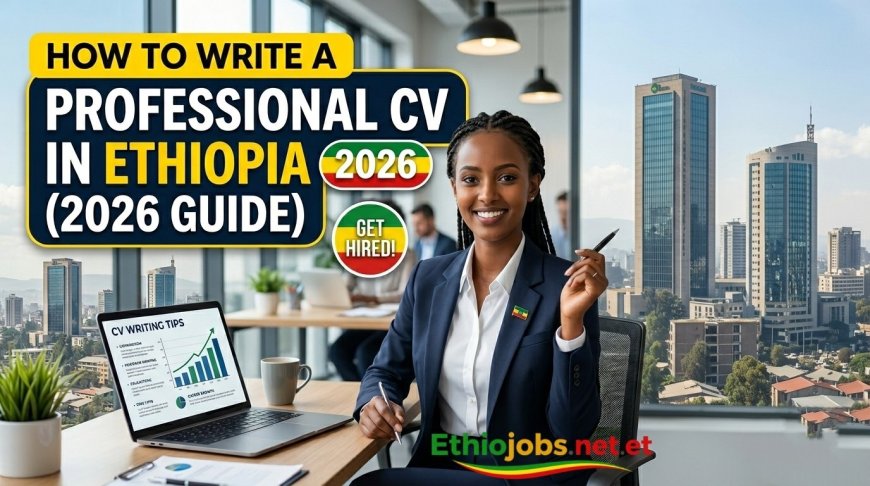
How to Write a Professional CV in Ethiopia (2026 Guide)
A professional CV is one of the most important documents when applying for jobs in Ethiopia. Whether you are applying for NGO jobs, bank jobs, internships, or remote work opportunities, a strong CV can improve your chances of getting shortlisted for interviews.
Many employers receive hundreds of applications for a single vacancy. A clear and organized CV helps employers quickly understand your qualifications, skills, and experience.
In this guide, you will learn how to write a professional CV in Ethiopia in 2026.
What Is a CV?
A CV, also known as a Curriculum Vitae, is a document that summarizes your:
- Education
- Work experience
- Skills
- Qualifications
- Achievements
Employers use CVs to evaluate whether candidates are suitable for a job position.
Why a Professional CV Is Important
A good CV can:
- Increase interview opportunities
- Create a strong first impression
- Show professionalism
- Highlight your skills and experience
- Help employers understand your qualifications quickly
A poorly written CV may reduce your chances of getting selected even if you are qualified.
Basic Structure of a Professional CV
A professional CV in Ethiopia should contain the following sections:
1. Personal Information
At the top of your CV include:
- Full name
- Phone number
- Email address
- Location
Make sure your contact information is accurate and professional.
Example:
Good email: firstname.lastname@gmail.com
Avoid unprofessional emails or nicknames
2. Career Summary
A short career summary helps employers understand your background quickly.
Example:
Motivated and detail-oriented graduate with strong communication skills and experience in customer service and administration.
Keep this section short and clear.
3. Education Background
List your educational qualifications starting from the most recent.
Include:
- School or university name
- Degree or certificate
- Graduation year
Example:
Bachelor of Accounting and Finance
Bahir Dar University – 2025
4. Work Experience
If you have work experience, include:
- Company name
- Position title
- Employment dates
- Main responsibilities
Use simple bullet points to describe your tasks and achievements.
5. Skills
Employers often search for candidates with practical skills.
Useful skills include:
- Computer skills
- Communication skills
- Microsoft Office
- Customer service
- Teamwork
- Problem solving
- English language skills
Only include skills you genuinely have.
6. Languages
Many Ethiopian employers value language skills.
Example:
Amharic – Fluent
English – Good
Afaan Oromo – Intermediate
7. References
You can add:
References available upon request
Or include contact details of professional references if requested.
Tips for Writing a Strong CV in Ethiopia
Keep It Simple
Use clean formatting and avoid unnecessary colors or graphics.
Avoid Spelling Mistakes
Check your grammar and spelling carefully before sending applications.
Use Professional Fonts
Simple fonts such as Arial or Calibri are recommended.
Keep Your CV Short
Most employers prefer CVs that are 1–2 pages long.
Customize Your CV
Adjust your CV based on the job you are applying for.
Common CV Mistakes to Avoid
Many job seekers make mistakes that reduce their chances of getting hired.
Avoid:
- False information
- Spelling errors
- Very long CVs
- Unprofessional email addresses
- Poor formatting
- Copying other people's CVs
A professional and honest CV creates a better impression.
Best CV Format for Ethiopian Job Seekers
The most common CV format in Ethiopia is the reverse chronological format. This means listing your most recent education and work experience first.
This format is preferred because it is:
- Easy to read
- Organized
- Professional
- Commonly accepted by employers
Final Thoughts
Writing a professional CV in Ethiopia is an important step toward finding employment opportunities. A clear, honest, and organized CV can significantly improve your chances of getting interviews and job offers.
Whether you are applying for NGO jobs, bank jobs, internships, or remote opportunities, investing time in improving your CV is always valuable.
For more career tips, job updates, and employment guides, continue visiting ethiojobs.net.et.
Get more Helpful Blogs:
Top Job Websites in Ethiopia for NGO and Bank Jobs (2026)
How to Find Jobs in Ethiopia in 2026